
Image by Markus Winkler from Unsplash
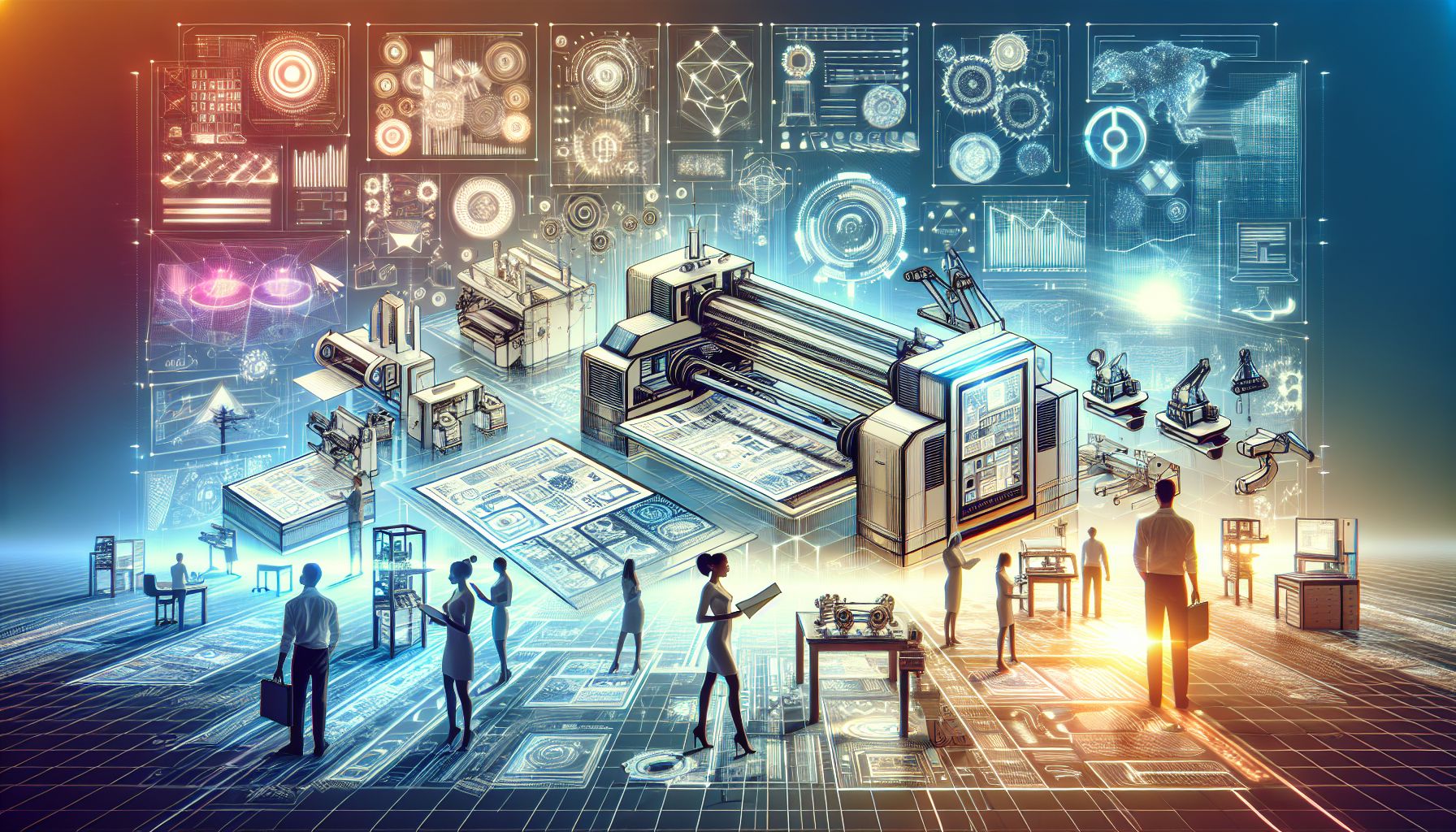
Welcome to the digital age, where technological advancements have significantly impacted every industry, including printing. Gone are the days when printing solely referred to ink on paper. Today, the printing industry encompasses a wide range of technologies and services that cater to both traditional and digital media. In this blog post, we will explore the latest trends shaping the printing industry, and how they are driving innovation, efficiency, and sustainability.
1. Rise of Digital Printing
Traditional printing methods, such as offset lithography, are facing fierce competition from digital printing technologies. Digital printing offers several advantages, including faster turnaround times, lower setup costs, and the ability to print variable data. As a result, businesses and individuals alike are increasingly opting for digital printing solutions for their various needs, from marketing collateral and packaging to customized prints.
Digital printing has expanded its scope beyond paper to encompass various substrates, including textiles, glass, ceramics, and plastics. With advancements in inkjet and toner-based technologies, digital printers can produce high-quality prints on diverse materials, opening up new opportunities for customization and personalization in the print industry.
2. Personalization and Customization
In a world where personalization is key, the printing industry has stepped up to meet the demand. Customers now expect customized products and experiences that resonate with their individual preferences. From personalized marketing materials to print-on-demand services, print providers are leveraging digital printing technologies to fulfill these expectations.
Variable data printing (VDP) enables the customization of printed materials by incorporating unique text, images, or designs for each recipient. With VDP, businesses can create targeted campaigns and deliver highly relevant messages to their customers, ultimately enhancing engagement and response rates.
Additionally, the growth of e-commerce and online marketplaces has fuelled the demand for personalized packaging. Customers are seeking unique and eye-catching packaging designs that reflect a brand’s identity. By leveraging digital printing, businesses can efficiently produce short runs of customized packaging, adding value to their products and enhancing the overall customer experience.
3. Sustainability and Environmentally Friendly Practices
As climate change and sustainability become significant concerns for individuals and businesses worldwide, the printing industry is increasingly embracing eco-friendly practices. This trend involves adopting sustainable materials, reducing waste, and improving energy efficiency throughout the printing process.
One notable development in the industry is the advancement of eco-friendly inks. Manufacturers are developing inks made from renewable resources, such as vegetable-based or water-based inks, which reduce the environmental impact associated with traditional petroleum-based inks. Furthermore, digital printing allows for reduced ink consumption, as prints can be produced on-demand, minimizing excess inventory and waste.
Print service providers are also exploring innovative recycling and waste management practices. By implementing responsible print disposal strategies, such as recycling cartridges and repurposing waste materials, the industry aims to minimize its ecological footprint and contribute to a sustainable future.
4. Augmented Reality (AR) Integration
Augmented Reality (AR) has revolutionized various industries, and the printing industry is no exception. By integrating AR technology with printed materials, businesses can create interactive and engaging experiences for their customers. AR-enhanced prints can offer additional content, such as videos, product demonstrations, or 3D models, when viewed through a smartphone or tablet.
From marketing campaigns to educational materials, AR integration breathes new life into traditional print media, bridging the gap between the physical and digital worlds. As AR technology continues to advance, we can expect to see more innovative applications within the printing industry, further blurring the boundaries between digital and printed content.
5. 3D Printing Revolution
No discussion on printing industry trends would be complete without mentioning the rapidly growing field of 3D printing, also known as additive manufacturing. While 3D printing has been around for several decades, recent advancements have made it more accessible and commercially viable, transforming industries like healthcare, aerospace, automotive, and consumer goods.
The benefits of 3D printing include faster prototyping, cost-effective production of complex designs, and on-demand manufacturing. 3D printers can create intricate and customizable objects by building them layer by layer from various materials, such as plastics, metals, or ceramics. This technology not only accelerates the design and production process but also reduces material waste, making it a sustainable solution for manufacturing.
With the adoption of 3D printing, we can expect to see significant disruptions in sectors like product design and development, spare parts manufacturing, and even personalized healthcare solutions. As the technology continues to evolve, it will undoubtedly shape the future of the printing industry.
Conclusion
The printing industry, like many others, is on a transformative journey fueled by digital advancements and changing customer expectations. From digital printing and personalization to sustainability and emerging technologies like AR and 3D printing, the industry is evolving to meet the demands of the digital age.
As businesses and consumers seek efficient, customized, and sustainable solutions, print service providers must continue to embrace these trends and adapt to the evolving market. By staying ahead of the curve and leveraging the latest technologies, the printing industry can deliver exceptional value and remain an indispensable part of the media landscape in the years to come.